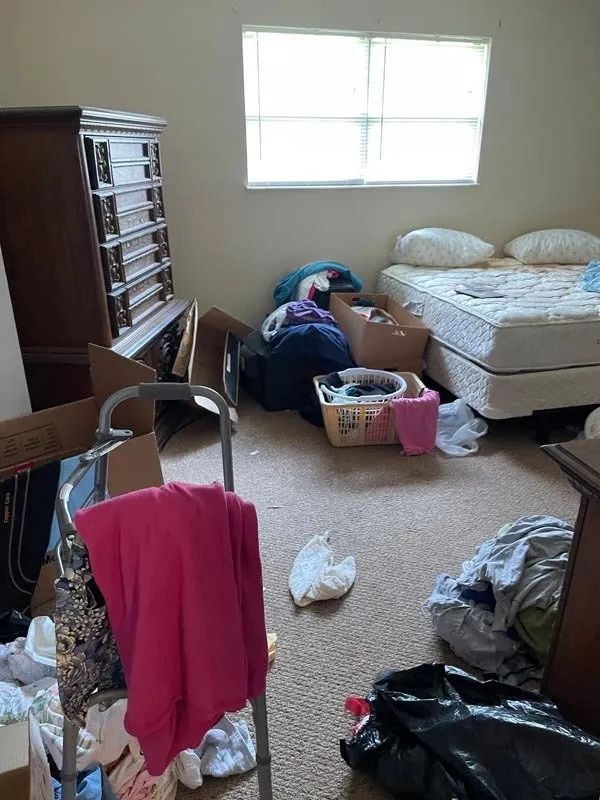

Preparing for a House Clean Out After a Loved One Passes: A Knoxville Family’s Guide
After a loved one passes, preparing for a house cleanout becomes one of the most emotionally and physically demanding responsibilities a family can face. In Knoxville, many households find themselves navigating not only grief but also the practical challenges of sorting belongings, organizing rooms, and deciding what to keep, donate, or discard. The process requires patience, structure, and a clear plan to avoid becoming overwhelmed during an already difficult time. Understanding how to approach a home cleanout with care and efficiency can make a meaningful difference in reducing stress and ensuring respectful handling of personal items.
Families often discover that a structured approach helps transform an overwhelming task into a manageable process. Establishing priorities, identifying sentimental items, and setting realistic timelines are essential first steps. Emotional strain can make decision-making difficult, which is why a step-by-step method is highly effective. A well-organized plan also helps prevent unnecessary conflict and ensures that valuable possessions are preserved with dignity. By focusing on clarity and order, the entire process becomes more respectful and less stressful for everyone involved. This guide is designed to help Knoxville families navigate each stage of a house clean out with confidence and practical direction throughout the process.
Emotional Preparation and Planning
Understanding Emotional Readiness
Before beginning a house cleanout after a loss, emotional preparation is essential. The process is often more than a physical task; it involves navigating memories tied to every room and object. Taking time to acknowledge grief while still creating a structured plan helps establish balance between emotional awareness and practical responsibility. Setting realistic expectations prevents burnout and reduces the pressure to complete everything quickly. This approach ensures clarity while reducing emotional overwhelm significantly.
Creating a checklist can help organize priorities such as rooms to address first, items requiring immediate attention, and belongings that may need careful review. Families often benefit from dividing the work into smaller stages rather than attempting a full clean-out in a single effort. This approach allows emotional space to process memories while still maintaining progress. Small, consistent steps help maintain focus and steady progress.
It is also helpful to assign roles based on comfort levels. Some may prefer sorting paperwork, while others handle larger household items. Respecting emotional boundaries ensures a smoother experience and reduces conflict. Establishing a calm environment with clear communication supports better decision-making throughout the process. Respectful collaboration strengthens family unity during difficult transitions overall.
Maintaining Personal Limits and Balance
Taking short breaks during the process helps maintain emotional stability and prevents exhaustion from building up over time. It is important to move at a steady pace rather than rushing through meaningful possessions. Listening to personal limits ensures that decisions remain thoughtful and respectful. Keeping water, light meals, and supportive conversation nearby can also create a more grounded environment. Each step completed contributes to gradual progress and helps build confidence in managing the overall task. Gentle pacing supports emotional recovery and clearer, thoughtful decision-making.
Sorting and Organizing the Home
Creating a Structure Room by Room
Once emotional readiness is established, the next step is sorting through the home in a structured manner. Beginning with one room at a time helps prevent confusion and ensures steady progress. Each space should be evaluated based on categories such as keep, donate, store, or discard. This method brings clarity and reduces the feeling of being overwhelmed by the overall volume of belongings. Using labeled boxes or designated areas for each category can improve efficiency. Items with sentimental value should be set aside for careful review rather than being immediately discarded. Photographs, letters, and heirlooms often require extra time and emotional consideration. A clear labeling system prevents accidental loss and keeps the process organized. This structure reduces errors while improving overall estate management efficiency.
Maintaining Order and Documentation
Digital documentation can also assist in preserving important records. Scanning documents, saving financial files, and organizing estate paperwork helps maintain clarity during transitions. This step is especially important when managing legal or financial responsibilities tied to the property. Keeping records accessible ensures smoother coordination with professionals when needed. Proper documentation safeguards critical information and simplifies future coordination tasks.
Maintaining organization throughout the process requires consistent attention and discipline. Regularly reviewing progress helps ensure nothing is overlooked or misplaced. Creating a daily plan can help distribute workload evenly and reduce fatigue. It is also useful to maintain separate containers for items that require family discussion before final decisions are made. This prevents rushed choices and supports thoughtful outcomes. Keeping pathways clear within the home improves safety and makes movement easier during sorting. A clear structure ultimately supports a smoother and more respectful clean-out experience. Consistency ensures emotional balance while preserving practical focus throughout the task. Every small step contributes meaningfully to overall progress and long-term clarity. The organization builds lasting stability here. Consistency in organization prevents confusion and enhances workflow efficiency greatly.
Handling Valuables, Documents, and Estate Items
Protecting Important Assets
Managing valuables and important documents requires extra care and attention during a house cleanout. These items often hold both financial and emotional significance, making careful handling essential. Sorting through them should be done slowly and with clear identification of what must be preserved, reviewed, or securely stored. Careful handling ensures both emotional respect and financial protection are maintained.
Creating a secure system for storing documents such as wills, insurance papers, and property records is important for legal and financial clarity. These documents should be separated from general household items and placed in clearly marked folders or boxes. This prevents misplacement and ensures accessibility when required. This ensures accessibility and prevents legal complications during estate handling.
Managing Appraisals and Records
Valuable items such as jewelry, antiques, or collectibles should be assessed carefully before any decision is made. When possible, a professional appraisal may help determine their true worth. This step is especially useful when estate distribution is involved among family members. Accurate valuation supports fairness and reduces disputes among heirs.
Digital and physical records should always be cross-checked to ensure accuracy. Maintaining an inventory of valuable items helps prevent disputes and provides clarity during estate resolution. It is also helpful to document items with photographs for reference. This creates a transparent record that can support fair decision-making and reduce misunderstandings among involved parties. Careful documentation also helps preserve the history associated with meaningful possessions. Each item should be handled with respect to its emotional and financial importance. Taking time during each step reduces mistakes and ensures that meaningful items are not lost or overlooked. A thoughtful approach also supports emotional stability when dealing with sensitive possessions. Clear communication among family members helps maintain shared understanding and prevents confusion. Proper handling of estate items ultimately protects both memories and important legal responsibilities throughout the process end with care. Clear communication ensures respectful outcomes and minimizes potential misunderstandings overall.
Donation, Disposal, and Responsible Clearing
Responsible Clearing Practices
After sorting and organizing items, the next step involves deciding how to responsibly clear the remaining belongings. Donation and disposal should be approached with care to ensure items are handled respectfully and in accordance with environmental considerations. This stage helps reduce clutter while also supporting charitable causes when possible. This approach encourages community support while preserving sentimental value responsibly.
Donating usable items to local organizations, shelters, or community centers can give belongings a second life. It is important to ensure items are clean, functional, and appropriate for donation guidelines. This not only benefits others but also helps families feel that meaningful possessions continue to serve a purpose. Thoughtful donations create a meaningful impact while reducing household waste significantly.
Environmentally Conscious Disposal
Disposal should be handled carefully, especially for items that cannot be reused or donated. Following local waste management guidelines ensures that disposal is environmentally responsible. Hazardous materials or large appliances may require special handling procedures to ensure safety and compliance with regulations. Proper disposal methods ensure safety and compliance across all procedures.
Recycling, where possible, contributes to sustainability and reduces environmental impact. Separating materials such as paper, metal, and electronics helps streamline the process. Many recycling centers accept a wide range of household materials, making it easier to dispose of items responsibly. Scheduling pickups or drop-offs in advance can improve efficiency and reduce delays. Keeping track of what has been donated or discarded ensures transparency and organization throughout the process. Efficient recycling contributes to sustainability and environmental protection in the long term.
Maintaining a respectful mindset during donation and disposal helps preserve dignity throughout the process. Clear labeling and sorting before removal reduces errors and confusion. Families often find that staying organized during this stage makes final closure easier. Emotional readiness continues to play a role as belongings are cleared. A steady approach ensures that decisions remain thoughtful and aligned with practical needs. Order supports lasting peace here now. A respectful organization fosters closure while supporting emotional healing effectively.
Trusted Guidance for Managing Estate Cleanouts Carefully
A structured house clean-out after a loss requires emotional awareness, careful planning, and organized execution. Each stage, from preparation to sorting and responsible disposal, plays an important role in reducing stress and maintaining clarity. When approached step by step, the process becomes more manageable and less overwhelming for families navigating grief and responsibility.
In Knoxville, trusted support can make a significant difference during this process. Just Call Scott, located in Knoxville, TN, brings 20
years of experience assisting families with sensitive property clean-outs and transitions. We provide dependable guidance, organized execution, and respectful handling of belongings during emotionally challenging times. Our approach focuses on clarity, efficiency, and compassion, ensuring each step is managed with care and professionalism from start to finish.