
The Environmental Impact of Proper Junk Disposal in Knoxville
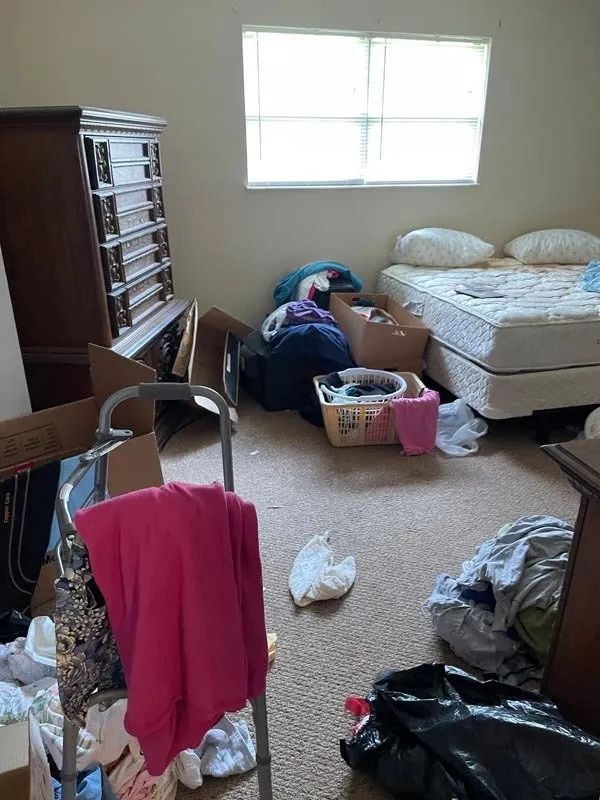
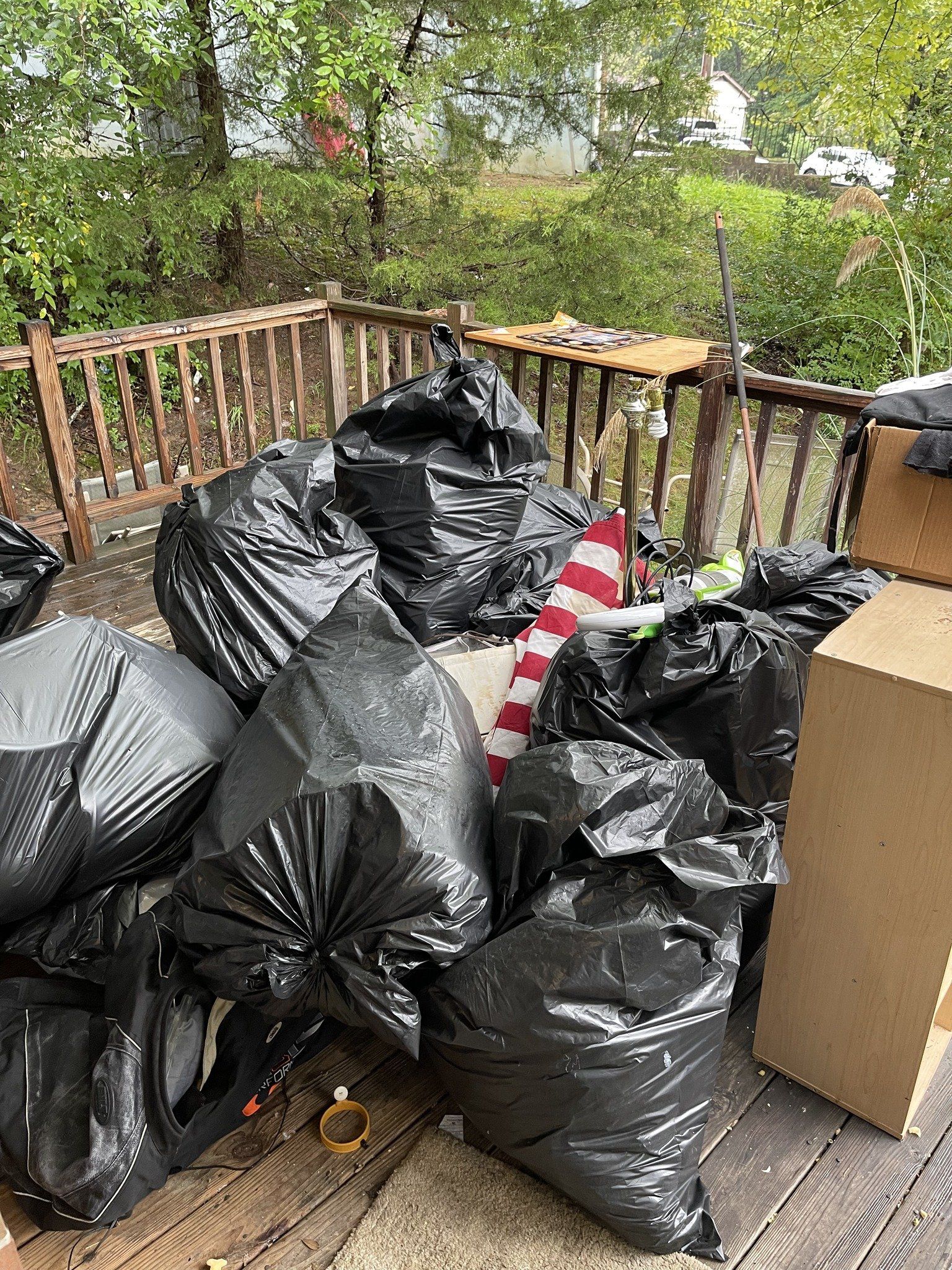
Proper junk disposal is no longer just a matter of convenience—it has become a critical environmental responsibility for communities across the United States, including Knoxville, Tennessee. From old furniture and appliances to construction debris and electronic waste, improper disposal can lead to significant ecological consequences. Landfills are filling up at alarming rates, hazardous substances can leach into soil and water, and valuable materials that could be recycled are often lost. Understanding the environmental impact of junk disposal highlights why responsible management practices are essential for both individual households and local businesses.
Knoxville residents are increasingly recognizing that the way they handle unwanted items directly affects public health, local ecosystems, and sustainability efforts. By adopting proper disposal practices, communities can reduce pollution, conserve natural resources, and contribute to a cleaner, safer environment. Moreover, responsible junk management is tied to broader efforts in recycling, energy conservation, and waste reduction initiatives. For homeowners, property managers, and commercial entities alike, awareness and action in junk disposal not only prevent environmental degradation but also enhance the quality of life. This blog explores the environmental consequences of improper disposal, actionable strategies for responsible waste management, and the long-term benefits for Knoxville’s ecosystem.
Understanding the Environmental Risks of Improper Junk Disposal
Pollution and Soil Contamination
Improper disposal of household and industrial junk introduces a variety of pollutants into the environment. Items such as batteries, electronics, and paints often contain heavy metals like lead, mercury, and cadmium. When these items end up in landfills, toxic chemicals can seep into the soil, contaminating it and threatening local plant and animal life. For instance, discarded electronics in Knoxville’s neighborhoods can slowly release hazardous substances that compromise soil fertility and local vegetation, affecting urban landscaping and community green spaces..
Waterway Contamination
Leachate from improperly dumped waste can find its way into streams, rivers, and groundwater. Contaminated runoff poses severe risks to Knoxville’s aquatic ecosystems, potentially harming fish, amphibians, and other wildlife. Substances like phosphates and nitrates from certain household chemicals can also disrupt water quality, contributing to algae blooms and oxygen depletion. Residents relying on wells or local water sources may face direct exposure to these pollutants, making responsible disposal not just an environmental concern, but a public health priority.
Air Pollution
Burning junk, a practice sometimes used to quickly reduce waste, releases harmful particulate matter and toxic gases into the atmosphere. Materials like plastics, treated wood, and synthetic textiles produce smoke containing volatile organic compounds (VOCs) and other hazardous emissions. These pollutants contribute to smog formation, respiratory issues, and greenhouse gas accumulation, underscoring the importance of avoiding informal or illegal burning in favor of regulated disposal options.
Recycling and Resource Conservation
Recovering Valuable Materials
Proper junk disposal isn’t just about keeping hazardous materials out of the environment—it’s also about recovering resources that would otherwise go to waste. Items like metals, plastics, and glass can be processed and reused in manufacturing, reducing the demand for raw materials. For example, recycled aluminum from discarded appliances requires 95% less energy to produce than newly mined aluminum, offering substantial energy savings and reducing greenhouse gas emissions.
Extending Product Lifecycles
Electronic waste and furniture often contain components that can be refurbished, repurposed, or resold. Knoxville residents and businesses can participate in donation programs or certified e-waste recycling facilities to extend the useful life of these items. This approach not only minimizes landfill pressure but also encourages a circular economy where materials continually flow through the system instead of becoming waste.
Promoting Sustainable Consumer Behavior
When communities embrace recycling and proper disposal, it influences broader consumer habits. People become more mindful of purchasing durable, repairable, and recyclable items. This cultural shift in Knoxville contributes to reduced production of single-use and low-quality goods, aligning household practices with long-term environmental sustainability.
Effective Junk Disposal Strategies for Knoxville Residents
Utilizing Certified Disposal Services
One of the most effective ways to mitigate environmental impact is through certified junk removal services. These professionals ensure that hazardous materials, electronics, and bulk waste are processed according to state and federal environmental regulations. Certified services separate recyclables, safely dispose of hazardous items, and direct reusable materials to donation centers or recycling facilities.
Community Recycling Programs
Knoxville offers municipal recycling programs designed to handle specific waste types such as paper, cardboard, plastics, and electronics. Residents who participate in these programs help divert waste from landfills and ensure it is processed safely. Regular participation in community programs also raises awareness of sustainable disposal practices and encourages neighborly accountability in maintaining local environmental health.
Composting and Organic Waste Management
For biodegradable items such as yard waste, food scraps, and untreated wood, composting presents an environmentally friendly solution. By diverting organic matter from landfills, composting reduces methane emissions—a potent greenhouse gas—and produces nutrient-rich soil that can benefit gardens, parks, and urban green spaces. Knoxville homeowners can utilize backyard composting systems or participate in municipal organic collection programs to manage green waste responsibly.
Challenges in Achieving Proper Junk Disposal
Public Awareness and Education
A key challenge in Knoxville is ensuring that all residents understand proper disposal procedures. Misconceptions about what can be recycled, hazardous material handling, and the locations of certified facilities often lead to accidental pollution. Community education programs, workshops, and public information campaigns are essential in bridging this knowledge gap.
Accessibility of Services
While disposal and recycling options exist, accessibility can be limited for certain neighborhoods or populations. Transportation constraints, limited service hours, and lack of convenient collection points may discourage residents from using certified disposal channels. Addressing these logistical challenges is crucial for improving participation and minimizing improper disposal practices.
Cost Considerations
Professional junk removal and certified recycling services may involve fees that some households or small businesses find prohibitive. However, these costs should be viewed as investments in environmental protection and long-term public health. Incentives such as subsidized collection days, community drop-off events, and partnerships with local businesses can help make responsible disposal more affordable and attractive.
Long-Term Environmental Benefits of Responsible Junk Disposal
Reduced Landfill Pressure
By diverting waste through recycling, donation, or proper disposal, Knoxville can significantly reduce the burden on local landfills. This not only conserves land resources but also decreases the release of methane and other landfill-associated pollutants, contributing to cleaner air and a more sustainable cityscape.
Protection of Wildlife and Ecosystems
Properly disposed waste ensures that harmful chemicals and plastics do not infiltrate local habitats. Protecting the Tennessee River, urban green spaces, and surrounding natural areas maintains biodiversity and safeguards ecosystems critical to Knoxville’s environmental resilience.
Energy and Resource Conservation
Recycling and repurposing waste materials conserve energy and reduce the extraction of raw resources. For instance, using recycled steel or plastics in manufacturing minimizes the energy-intensive processes of mining and processing virgin materials. These energy savings translate into lower carbon footprints, aligning local waste management practices with global climate action goals.
Enhanced Community Health
Cleaner neighborhoods, reduced chemical exposure, and improved waste management infrastructure contribute to healthier living conditions for Knoxville residents. Effective junk disposal reduces vectors for pests, limits toxic exposure, and creates safer public spaces, emphasizing the direct human health benefits of environmental stewardship.
Best Practices for Knoxville Households and Businesses
Establish a Waste Audit Routine
Regularly assessing the types and volumes of junk produced can help households and businesses identify items suitable for recycling, donation, or safe disposal. A waste audit enables better planning and more responsible decision-making in managing unwanted materials.
Partner with Certified Disposal Companies
Engaging professionals for bulk or hazardous waste removal ensures compliance with environmental regulations and maximizes recycling efforts. Certified disposal companies often provide detailed reporting, transparency, and accountability, making it easier to track environmental impact reductions over time.
Educate and Engage Community Members
Creating awareness among employees, neighbors, and local organizations fosters a culture of responsibility. Workshops, social media campaigns, and school programs can reinforce the importance of proper junk disposal, making it a shared priority across Knoxville.
Prioritize Reuse and Donation
Before discarding items, consider whether they can be donated, sold, or repurposed. Furniture, electronics, appliances, and construction materials often have a second life when directed toward charitable organizations or resale platforms, benefiting both the community and the environment.
Reliable Knoxville Experts for Sustainable Waste Management
Proper junk disposal is a critical component of environmental stewardship in Knoxville. By understanding the risks associated with improper disposal—including soil and water contamination, air pollution, and the loss of valuable resources—residents and businesses can take proactive steps to protect local ecosystems and public health. Recycling, certified disposal services, composting, and community engagement emerge as practical solutions that reduce landfill pressure, conserve energy, and promote sustainable living practices.
For Knoxville residents seeking reliable support in managing junk responsibly,Just Call Scott
offers over 20
years of trusted experience in professional junk removal services. Located in Knoxville, TN, the company combines deep local knowledge with environmentally responsible disposal methods, ensuring that hazardous materials, electronics, and bulk waste are handled safely and sustainably. With a commitment to recycling, donations, and community education, Just Call Scott
stands as a dependable authority in junk management. Their professional approach, transparency, and long-standing expertise provide peace of mind while safeguarding Knoxville’s environment for future generations.